Introduction: Why Linen Demands a Thoughtful Routine
Linen has long been the fabric of quiet luxury, a material that ages with a certain dignity. It carries a memory of the room where it first learned to breathe—slight wrinkles at the edges, a softening hand after a handful of washes, the way it catches light with a texture that feels at once crisp and approachable. The guide that follows seeks to demystify linen care by translating the language of fibers, weaves, and care labels into practical steps you can follow without fear of arrest by your washing machine.
At the heart of linen care is a simple truth: the fabric’s strength lies in its fiber, its breathability, and the gentle routine you apply over time. This piece threads together three core pillars: selecting the right weave and linen weight for your climate and lifestyle; decoding care labels with a reader’s eye; and arming yourself with stain-removal know-how that respects the fiber while restoring freshness. In doing so, we also honor the ceremonial rhythm of linen—how a well-loved sheet set becomes a memory of countless evenings gathered, conversations shared, and the quiet ritual of turning down the light and turning up the comfort.
Part I: Linen, Cotton, and Blends—What to Look For When You Shop
Understanding the anatomy of linen starts with a vocabulary: fiber, weave, weight, and finish. Linen is a plant-based fiber made from flax, celebrated for its cool touch, excellent moisture-wicking properties, and the way it softens into a relaxed drape with each wash. Cotton, often present in linen blends, can contribute to a softer initial hand or a crisper finish, depending on the weave. Blends—cotton-linen or linen-poly blends—seek to balance linen’s breathability with cotton’s pliability or the synthetic shortcoming of memory-free washability.
We can think of linen weights as a spectrum. Lightweight linen (roughly 150–190 grams per square meter) tends to feel breezier, ideal for warm nights and travel-ready wardrobes. Midweight linen (190–250 g/m²) offers durability with a more substantial hand, suitable for year-round use. Heavier linens (250 g/m² and above) provide a substantial, almost sculptural presence—perfect for heavy-use environments like hospitality settings or rooms that demand a drawn-in, crisp look. When you shop, the weight label is not a mere number; it signals how the fabric will perform in temperature regulation, wrinkle behavior, and ease of care.
Part II: Weaves and Texture—From Flat Weave to Relaxed Linen
Linen’s character is shaped by its weave. A plain weave yields a crisp, simple surface that presses well and wears evenly. Percale, a closely woven cotton, can be used in linen blends to achieve a crisper, cooler hand while retaining breathability. A stone-washed or washed-linen finish is a common technique that softens the fiber and reduces initial stiffness—great for those who favor a lived-in look from the start. The key is to select a finish that aligns with your aesthetic and your care tolerance. A linen sheet might arrive with a slightly stiff feel and then relax into its signature soft, open weave after a few cycles. That release is not a flaw—it’s the linen’s natural evolution.
When you see terms like “organic linen” or “GOTS-certified,” that is a promise beyond texture: responsible farming, ethical processing, and a finished product that honors both people and planet. The market now offers linen that is grown in France, woven in Portugal, and finished with plant-based softeners—an arc of supply where transparency is becoming the norm rather than the exception. In this world, a sheet set is not merely a product; it is a story of sustainable practice and careful craft.
Part III: Reading Care Labels—Your Linen’s Map to Longevity
Care labels are a compact curriculum in garment and textile science. They tell you what temperature to wash at, whether to tumble dry, and if bleach or fabric softeners will compromise the fiber’s integrity. In linen, water temperature is essential: hot water can exhaust the fiber’s life by weakening the fiber’s structure and accelerating wrinkling, while cold water preserves color and fiber integrity. A common prescription: wash linen on a gentle cycle with like colors, cold to warm water, and avoid chlorine bleach unless absolutely necessary. Drying method matters too—air drying reduces stress on the fibers and minimizes wrinkles; machine drying on a low heat setting with prompt removal yields a balance of convenience and neatness.
For those seeking wrinkle-minimizing results without resorting to high heat or iron, decorative finishes and blushed textures can mask a certain amount of natural linen crinkle. The goal is not to eradicate wrinkles but to manage them in a way that respects the fiber’s character. A linen sheet that breathes and drapes softly carries a different elegance when lightly pressed versus ironed to a passable, clinical flatness. The label thus becomes a map—guiding you toward a harmony between aesthetics and function.
Part IV: Seasonal Care Calendars—A Simple, Practical Rhythm
A seasonal care calendar offers a sustainable rhythm: different seasons call for different maintenance. In spring and summer, you might wash linens more frequently to remove dust and sweat, rotating sets to extend wear. In autumn and winter, you may opt for a gentle, hydrating wash and a bit more attention to lint and storage, ensuring they are clean and dry before they are tucked away for the season. A simple calendar can be as follows: - Spring/Summer: wash every 1–2 weeks, line-dry when possible, avoid high-heat tumble drying, refresh with a cool-iron pass if desired. - Fall/Winter: wash every 2–3 weeks, deeper clean before storage, store in a breathable cotton bag, avoid stacking with heavy fabrics that could transfer moisture.
Adapting your routine to the season preserves the integrity of the linen and makes maintenance a steady, non-disruptive habit rather than a chore.
Part V: Stain Removal—A Quick-Start Guide for Common Culprits
Stains are inevitable—coffee rings, wine splotches, and the stubborn persistence of rust on hardware. Linen’s open weaves can trap pigment, which means prompt action matters. A practical triage often works best: pre-treat, wash, and air-dry. For coffee or wine, a gentle pretreatment with a mild detergent or a stain-removing solution designed for delicate fabrics can lift the pigment. For rust, a careful approach using lemon juice and a pinch of baking soda can sometimes help, but caution is advised as rust can set if left unattended. Always test on an inconspicuous area before broad application, and avoid aggressive abrasion that could damage the fiber’s surface.
A note on wardrobe fidelity: avoid bleach on linen unless the label explicitly permits it. Bleach can degrade linen fibers and dull color over time. The better choice is a targeted stain-treatment method, paired with a calmer, cooler wash cycle. A well-trained hand with patience—this is linen’s secret weapon. It transforms a stubborn stain into a small, recoverable memory rather than a permanent scar.
Part VI: Practical, Non-Promotional Buying Guides
Choosing linen is as much about intention as it is about fabric. The following quick guides can help you select sheets that align with your needs without becoming a shopping list frenzy.
- Fabric composition matters: 100% linen for maximal breathability, linen blends for a softer initial hand, 100% cotton percale for crispness when paired with linen accents.
- Weave and weight: choose lighter linen for summer heat, midweight for year-round comfort, heavier weights for a luxurious, grounded presence in the bedroom.
- Finish considerations: stone-wash or washed linen to soften quickly; plant-based softeners to maintain a gentle feel without chemical load.
- Care compatibility: if you prefer simpler care, seek fabrics that tolerate machine washing at cooler temperatures and lower dryer settings, with clear care instructions.
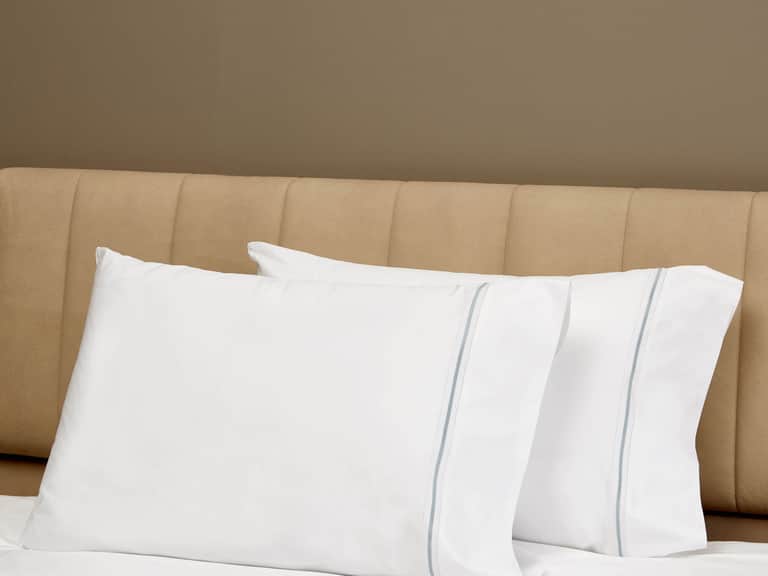
One item you might consider in this guide is a duvet cover or a sheet set that exemplifies a refined, timeless approach—an elegant anchor that balances texture, color, and durability. The Downtown Company Chelsea Sheet Set, for example, represents a crafted balance of luxury and usability: a 400-thread-count long-staple cotton sateen with a sophisticated three-layer trim and practical pocket depth. It embodies a modern, tailored aesthetic that can harmonize with the linen-centric pieces you own, creating a bedroom that feels both alive and composed.
Images and the tactile sense of textile are crucial here. The Chelsea Sheet Set’s photography reveals a crisp, light-transmitting surface that invites touch, while its weave speaks to a durability that will outlast a few seasonal cycles. The product embodies a poetry of texture, which is at the core of linen’s appeal: what seems crisp at first becomes soft and intimate with use.
Part VII: A New Yorker-Style Reflection on Linen as an Everyday Luxury
In the quiet hour of a New York evening, linen sits on the bed like an old friend who has learned to listen. It softens with each wash, bearing the house’s aroma—the coffee from the kitchen, the rain pressed into the windows, the soft hum of a city that never quite stops, even when it does. Linen refuses to pretend. It is honest about wrinkles, about wear, about time. It is that rare fabric that signals both simplicity and sophistication in equal measure. The care routine is a trust exercise: you commit to gentle cycles, cool temperatures, and air-dried lines, and linen responds with a texture that deepens, a color that settles, a presence that feels both premium and approachable.
The practical beauty of linen care can become a daily meditation—a way to ground the mind in the craft of living well. When you choose the right weave, maintain your sheets with a light touch, and respect the fiber’s temperament, you are not merely prolonging the life of a textile. You are cultivating a moment of calm in a world of constant acceleration. In this sense, linen is not a product; it is a philosophy of home—an ethos distilled into thread and droplet of water, repetition and care, a memory that rests against your body as you rest against your walls.
A Practical Resource: The Greenwich Linen Starter Kit
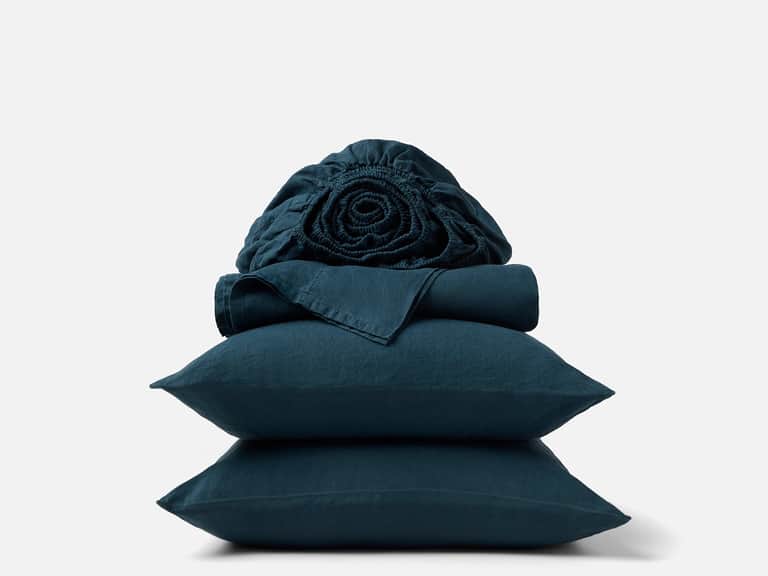
To bring you from theory to practice, imagine a starter kit curated for someone embarking on a linen journey. It would include a sheet set such as the Organic Relaxed Linen Sheet Set or the Downtown Company Chelsea Sheet Set, paired with Gramercy Pillowcases, Gramercy Pillowcases, and a set of Organic Relaxed Linen Pillowcases. The idea is to provide a balanced, practical toolkit that covers day-to-day use and seasonal shifts—a small, durable collection that makes linen care easy and joyous, rather than burdensome.
Such a kit would embody the Greenwich Linens ethos: timeless design, responsible sourcing, and a commitment to education over promotion. It would offer readers a tangible next step—an invitation to experiment with textures, weights, and finishes while staying true to a core care routine that respects the material and the space in which it lives.
Conclusion: A Practical, Elegant Path Forward
In a world where textiles are more accessible than ever yet often less durable, linen offers a counterpoint: a material that asks for modest patience and rewards it with character. By choosing the right weave, decoding care labels with clarity, and arming yourself with straightforward stain-removal knowledge, you can ensure that linen remains a source of comfort rather than a source of anxiety. The path is simple, and the payoff—softness that deepens, colors that remain true, and a bed that feels both fresh and earned—is elegantly uncomplicated.
As you implement the calendar, you may also wish to consider a curated linen product—such as the Chelsea Sheet Set from DownTown Company—as an anchor piece that you pair with more textural, relaxed linen for layers of depth. This combination balances precision with ease, a balance that defines Greenwich Linens’ editorial ambition: an educational, resource-rich, non-promotional space that guides readers toward confident, informed choices about linen and the care that sustains it.