Blankets and quilts serve as essential layers for temperature regulation, comfort, and aesthetic coordination in any sleep environment. This category highlights construction methods, fabric choices, and warmth ratings that influence how a blanket performs across different seasons. Understanding weave, weight, and fiber content helps match a piece to climate, bedding sets, and personal preference for softness and breathability.
Fibers used in blankets and quilts range from natural options like cotton, linen, and wool to luxurious blends and engineered fabrics. Natural fibers typically offer breathability and moisture management, while blends can balance durability and softness. Knowledge of thread count, GSM (grams per square meter), and fill material informs potential longevity and insulating properties.
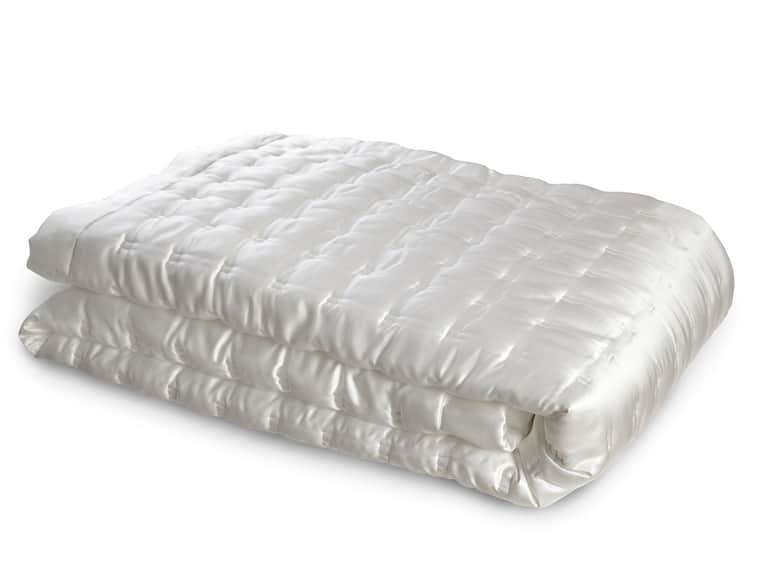
The Windsor Silk Coverlet in Charcoal exemplifies how a refined textile choice elevates a sleep ensemble. Silk provides natural temperature regulation, hypoallergenic qualities, and a smooth handfeel that minimizes friction with other bedding. In layering terms, a coverlet adds modest warmth without bulk, ideal for varying indoor climates and sleeping preferences.
When evaluating blankets and quilts, consider purpose, such as year-round use, seasonal layering, or decorative appeal. Key features include edge finishing, quilting pattern, and compatibility with duvet inserts or bedspreads. Functional benefits often center on warmth distribution, ease of care, and how the piece integrates with pillows, sheets, and duvet covers.
For durable, informative guidance on bedding options, it helps to align product characteristics with broader categories like bedding, pillows, sheets, duvet covers, and down pillows. This approach clarifies how a silk coverlet or alternative textile works within a complete sleep system, supporting comfort, hygiene, and long-term suitability.
 Bedding

