Duvets are a core component of a balanced sleep environment, offering warmth and insulation while minimizing weight for comfort. Understanding duvet construction, fill materials, and Tog ratings helps identify suitable options for varying room temperatures and personal preferences. This category highlights how duvet design influences warmth retention, breathability, and ease of care in daily use.
Common duvet materials range from down and synthetic fills to natural fibers like cotton and linen blends. Each option affects warmth, loft, and moisture management. In particular, down pillows and duvet inserts paired with breathable covers can contribute to a stable microclimate, reducing nighttime overheating and promoting restful sleep across seasons.
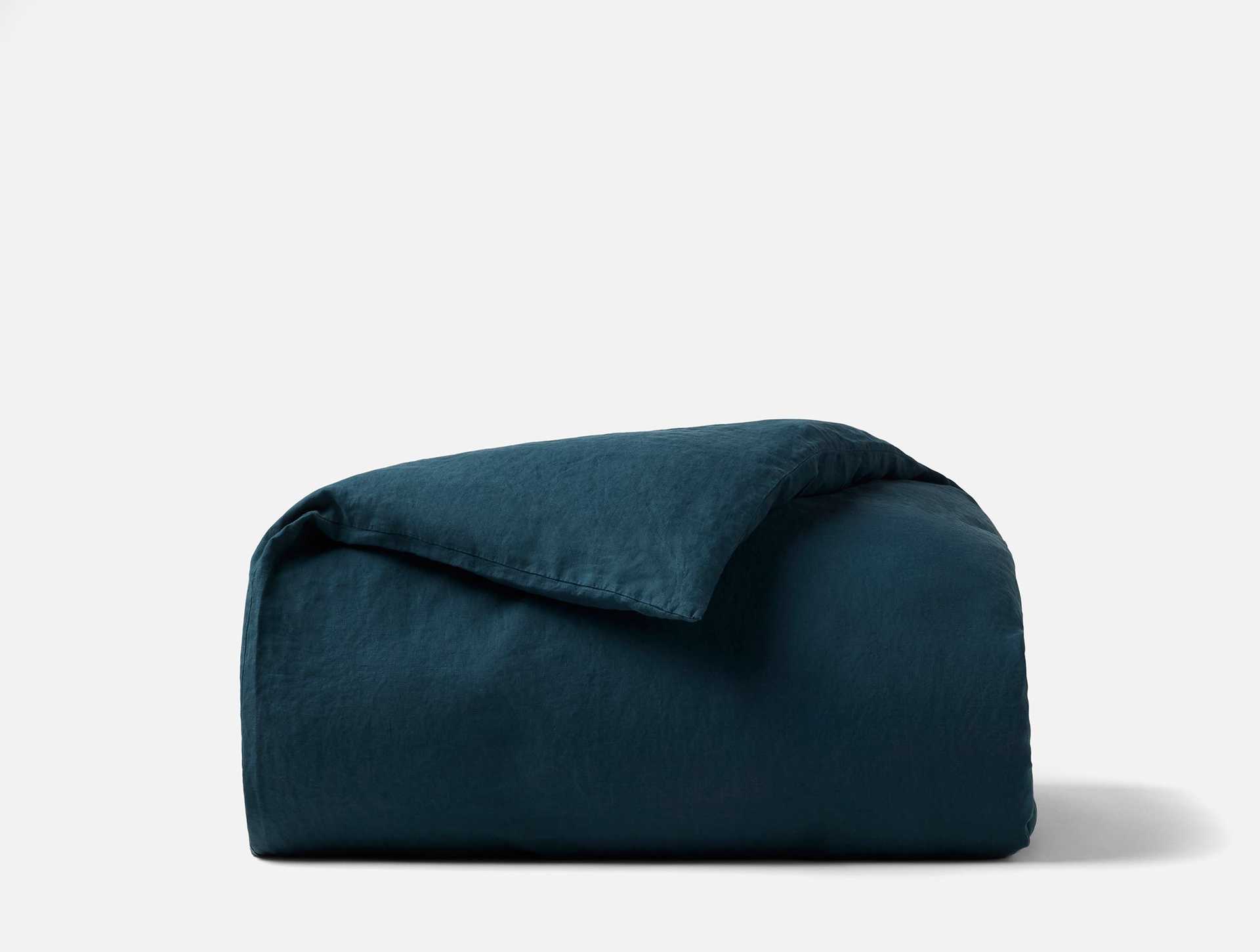
One notable example is the Organic Relaxed Linen Duvet Cover, which emphasizes sustainable fabric choices and a relaxed aesthetic. Linen’s natural breathability and moisture-wicking properties support temperature regulation, while a loose weave provides texture and durability. Such features suit sleepers seeking a cooler, comfortable sleeping surface with easy-care maintenance.
Beyond warmth, duvet construction also impacts durability and care requirements. Look for features like reinforced stitching, secure closures, and simple laundering options. Functional benefits include reduced shifting inside the cover, consistent loft, and long-term fabric integrity, all of which contribute to reliable nightly use and easier care routines.
In the broader bedding context, duvets intersect with sheets and pillows to create a cohesive sleep environment. Choosing the right duvet cover and insert can influence allergen exposure, comfort alignment, and overall sleep quality. For those prioritizing natural materials, organic linen variants combined with compatible pillow choices can support balanced rest and durability.
 Bedding